Valorant, what a "low cortisol" aim style actually means for Phoenix mains
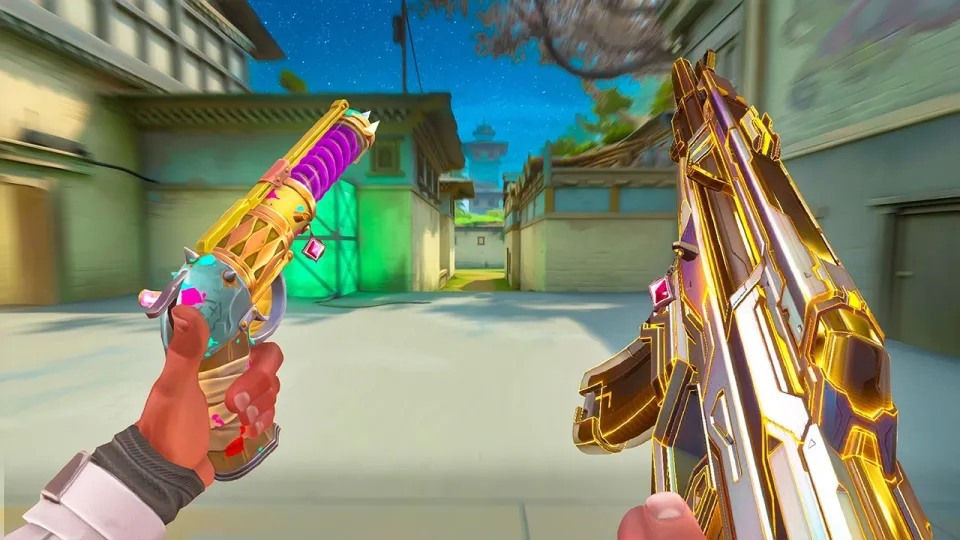
Video: low cortisol aim..
Need articles like this for your video? They help promote it on YouTube and Google — order them in the Telegram bot @sat_sit_bot. Articles with your video embedded are written and posted by the bot itself — on popular topical sites (no ads). Your first 50 articles are free.
· based on the channel Rawzu
"Low cortisol aim" in Valorant is a community label for aim that looks calm and unhurried — smooth crosshair placement and steady tracking instead of frantic flicks and panic sprays. The term comes from the Rawzu channel's montage-style clips, where Phoenix gameplay is edited to feel relaxed rather than high-adrenaline. If you want to build that style yourself, start by copying the fundamentals: a low, stable sensitivity, a consistent crosshair, and a routine that removes tension from your arm. You can also optimize your PC for Valorant so frame drops never force a rushed shot.
What "low cortisol aim" means in Valorant
Low cortisol aim is about lowering the stress in your mechanics, not lowering your skill. In practice it means the crosshair arrives at head level before the enemy appears, the mouse moves in one clean line, and the player does not over-correct after a miss. Rawzu's Phoenix clips lean on this: the camera stays level, the turns are short, and kills come from pre-placed crosshairs rather than dramatic 180s. The name is a joke about cortisol, the stress hormone — the idea being that a calm player makes fewer mechanical errors than an adrenalized one.
Rawzu's settings and gear breakdown
The setup behind these clips is deliberately conservative, which is the whole point of a calm aim style. Rawzu lists the following in the video description:
- Sensitivity: 400 DPI at 0.625 in-game — a low effective sensitivity that favors arm aiming and precise micro-adjustments.
- Resolution: 1440x1080, a stretched 4:3-style ratio that widens targets on screen.
- Crosshair: 1-6-2-2 — a small, thin static-style crosshair that keeps the center of the screen uncluttered.
- Mouse: Logitech G Pro X Superlight 2, a lightweight wireless mouse.
- Mousepad: Artisan Zero Soft, a control-oriented cloth pad.
- Monitor: Zowie XL2566K at 360Hz, which reduces visual latency at high frame rates.
Every one of those choices reduces the amount of correction a player has to make mid-fight: a low sensitivity smooths the turn, a control pad stops overshoot, and a high refresh rate makes tracking feel continuous.
Why Phoenix suits a calm aim style
Phoenix is an offensive duelist built to hunt enemies and cripple their ability to fire back, and his kit rewards players who enter fights with a plan. Blaze creates a wall that blocks vision and deals damage, letting Phoenix cross open ground that is normally covered. Curveball blinds enemies even when they are tucked behind corners, so the flash does the disorienting work while the player keeps a steady crosshair. Hot Hands gives healing and area denial, and Run It Back lets Phoenix take a risky duel and come back if it goes wrong. That combination means a Phoenix main can play aggressively without playing frantically — the abilities create the advantage, and the aim only has to finish it.
How to train calm aim step by step
Calm aim is trainable, and the routine matters more than raw hours. A practical sequence:
- Fix your sensitivity and leave it alone for at least two weeks — constant changes reset your muscle memory.
- Warm up with slow, deliberate head-level tracking in the range before touching deathmatch.
- Practice pre-aiming common angles on maps such as Icebox, walking the crosshair along wall edges instead of swinging wide.
- In deathmatch, play only for crosshair placement, not for score; count how often your first shot lands at head height.
- Review clips of your own gameplay and look for over-correction — the tell-tale sign of a tense aim style.
Lowering your effective sensitivity, as Rawzu does with 400 DPI at 0.625, makes step two and three easier because small hand movements translate to smaller on-screen corrections.
Common questions about calm aim and montage clips
Viewers of these clips tend to ask the same things, and the answers are mostly mechanical. People wonder how a player appears somewhere before they do — usually that is sound cues, off-angle positioning and a teammate's info, not impossible reaction speed. Others ask whether a stretched resolution like 1440x1080 actually helps; it widens models horizontally, which some players find easier to track, but it is personal preference and does not change hitboxes. There is also frequent curiosity about a settings video, since the description lists the sensitivity and peripherals but not every in-game option. And some clips get attention for reasons unrelated to aim — a stray voice line or an odd moment — which is normal for montage content built from short, punchy segments.
Useful links
- Optimize your PC for Valorant — the tool linked in the video description.
- Rawzu's original music: https://open.spotify.com/artist/6DbATPR1PTNMx7U918bg1Q
- Rawzu's Discord community: https://discord.gg/axnFwyvxp3
Final thoughts on Valorant calm aim
The "low cortisol" label is a useful shorthand for something real: steady crosshair placement, a low stable sensitivity, and a routine that keeps tension out of your arm. Rawzu's Phoenix montage shows the style in action, and the listed settings — 400 DPI at 0.625, 1440x1080, crosshair 1-6-2-2, Superlight 2 on an Artisan Zero Soft with a 360Hz Zowie — give you a concrete starting point to test. Copy the numbers, then spend two weeks not changing them, and the calm will follow. If you want the same frame stability the clips rely on, optimize your PC for Valorant before your next session. Thanks to the Rawzu channel for putting the breakdown together.
Key takeaways
- "Low cortisol aim" is a Valorant community term for calm, low-stress crosshair control rather than fast flicking.
- Rawzu plays 400 DPI at 0.625 sensitivity on a 1440x1080 stretched resolution with a 1-6-2-2 crosshair.
- His gear: Logitech G Pro X Superlight 2 mouse, Artisan Zero Soft pad, Zowie XL2566K 360Hz monitor.
- Phoenix's kit — Blaze wall, Curveball flash, Hot Hands and Run It Back — rewards aggressive duelist entries.
- The video is a Phoenix-focused montage from the Rawzu channel, built around smooth, unhurried aim clips.
Source: low cortisol aim.. · Markdown version
Questions & answers
What does "low cortisol aim" mean in Valorant?
It is a community term for calm, low-stress aim: smooth crosshair placement, steady tracking and minimal over-correction instead of frantic flicks. The phrase jokes about cortisol, the stress hormone, implying a relaxed player makes fewer mechanical mistakes.
What sensitivity and settings does Rawzu use?
Rawzu lists 400 DPI at 0.625 in-game sensitivity, a 1440x1080 resolution and a 1-6-2-2 crosshair. His gear is a Logitech G Pro X Superlight 2 mouse, an Artisan Zero Soft mousepad and a Zowie XL2566K 360Hz monitor.
Does a stretched resolution like 1440x1080 make aiming easier?
It widens enemy models horizontally on screen, which some players find easier to track, but hitboxes are unchanged and it is a personal preference. Many pros and content creators use it for comfort rather than a measurable advantage.
Why is Phoenix a good agent for a calm aim style?
Phoenix's kit creates the advantage before the shot: Blaze blocks vision and deals damage, Curveball blinds enemies behind corners, Hot Hands heals, and Run It Back lets him take risky duels safely. The abilities do the disruption, so the aim only has to finish the fight.